Analysis of DarkMatter Market URL
> Comprehensive operational history and feature review.
I. Executive Summary
DarkMatter Market represents a sophisticated node within the modern darknet ecosystem. Functioning as a specialized hidden service, it operates exclusively over the Tor network to facilitate anonymous commerce. The platform distinguishes itself through a strict adherence to privacy-centric protocols, primarily serving as an exchange hub for digital goods, software, and specialized data sets.
Established as a response to vulnerabilities observed in legacy marketplaces, DarkMatter was developed from the ground up with a focus on operational security (OpSec) and robust network infrastructure. Observers note that the platform deliberately restricts certain transaction types to maintain a streamlined, high-performance environment dedicated to digital anonymity.
II. Historical Timeline
Genesis Block Phase
ESTABLISHMENTInitial routing setup and foundation of core cryptography. The main mirror generation parameters were established utilizing modern v3 onion routing exclusively.
XMR Integration
UPGRADE_01Complete phase-out of legacy transparent ledgers. The platform mandated Monero (XMR) for all internal escrow procedures, raising the baseline operational security.
Infrastructure Hardening
UPGRADE_02Implementation of proprietary anti-DDoS challenge interfaces and rotating secondary mirrors to ensure persistent uptime against network-level disruptions.
III. Technical Architecture
Cryptocurrency Standards
DarkMatter operates exclusively on the Monero (XMR) network. This structural decision prevents blockchain analysis and ensures that intermediate fund flows remain entirely obfuscated from public observation nodes.
PGP Cryptographic Verification
Mandatory two-factor authentication (2FA) via PGP is enforced for all participants. Additionally, all communications and dispatch addresses must be encrypted client-side before transmission.
Escrow Mechanisms
The application uses a traditional centralized escrow system fortified by multi-signature (Multisig) options for high-tier participants, ensuring funds are not unilaterally controlled by the platform logic.
Walletless Architecture
To mitigate internal holding risks, observers note the implementation of direct-payment systems where funds are deposited per-order rather than continuously stored in central hot wallets.
IV. Interface Architecture Analysis
> Archival captures of the structural layout and user interface design patterns.
 IMAGE_DATA_MISSING
Fig 1. DDoS Protection Screen
 IMAGE_DATA_MISSING
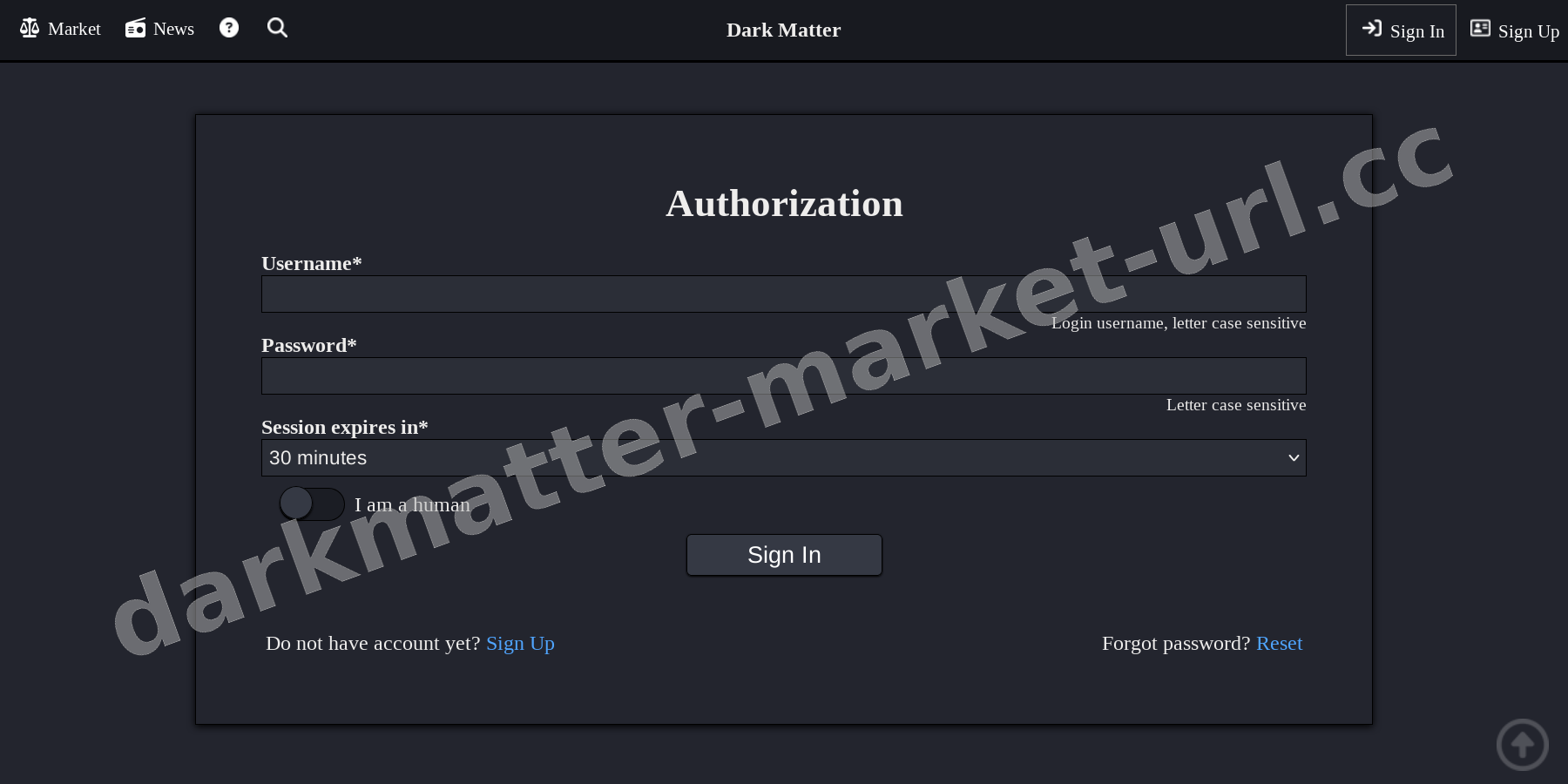
Fig 2. Encrypted Login Interface
 IMAGE_DATA_MISSING
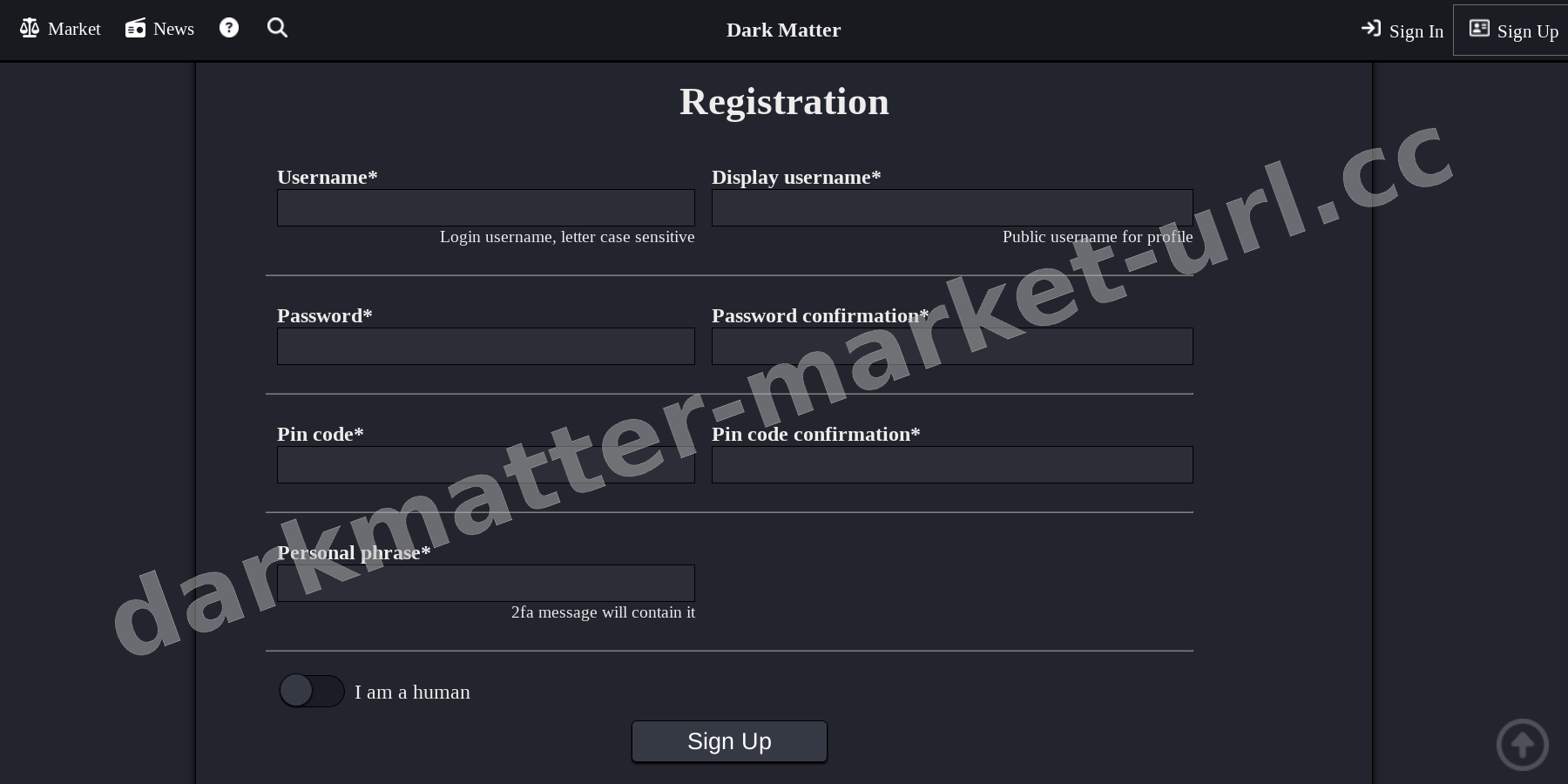
Fig 3. Account Registration Node
 IMAGE_DATA_MISSING
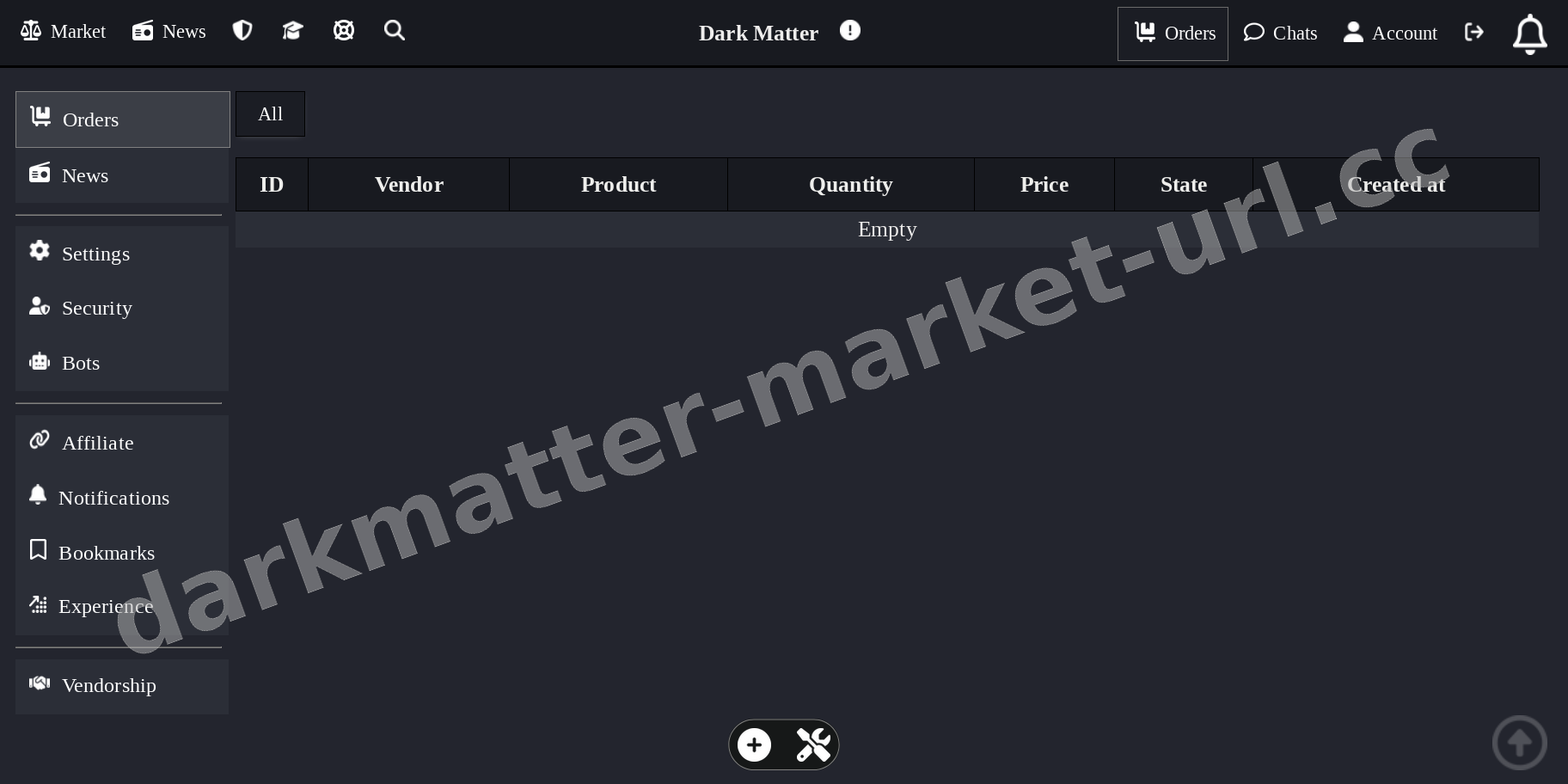
Fig 4. Main Market Dashboard
Participant Density
Analysis indicates a controlled user base size, restricted by strict registration parameters to prevent low-effort network congestion.
Merchant Verification
Merchants are subjected to mandatory bond parameters, requiring a staked deposit of XMR to establish a presence, ensuring high-quality supply mechanics.
Reputation Protocol
The feedback array is strictly mathematically weighted, preventing artificial inflation of merchant trust scores through localized network manipulation.